

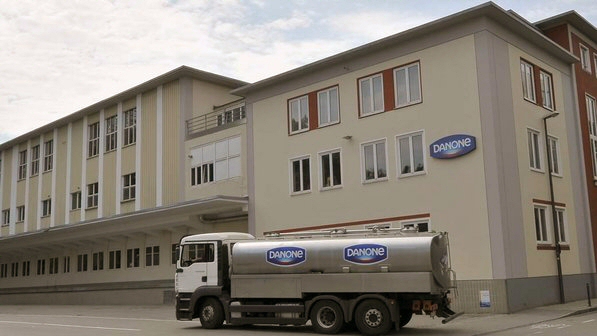


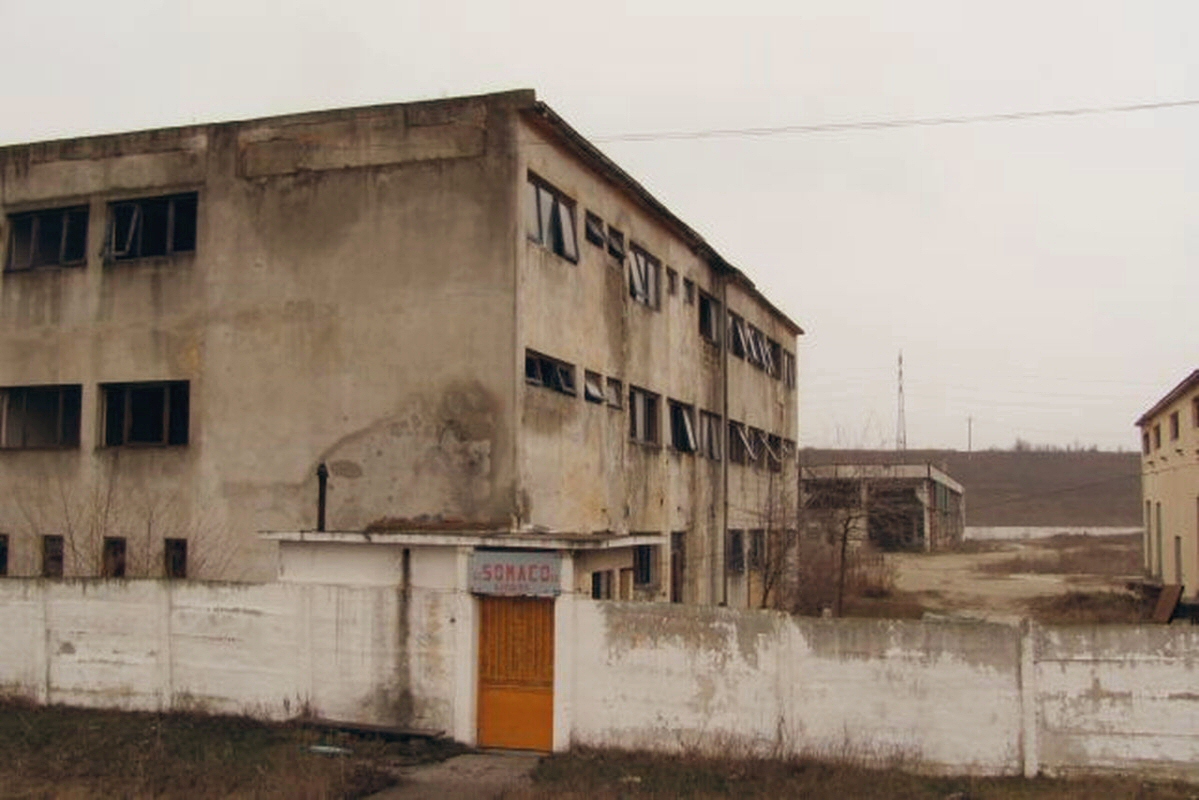
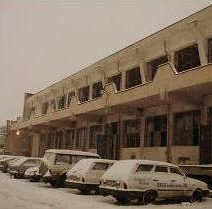
Brownfield Facility Reconstruction for FMCG Manufacturing in Eastern Europe
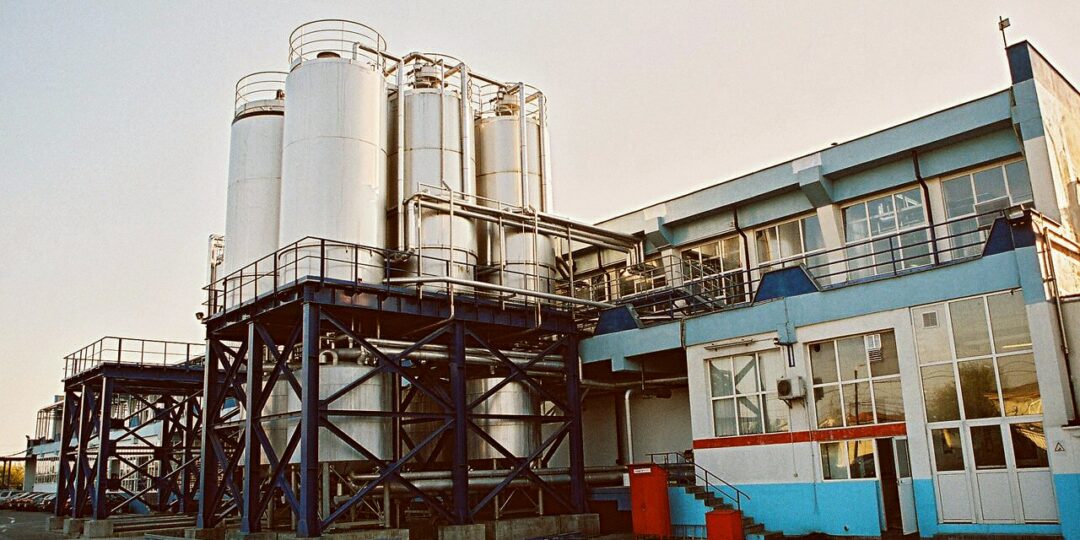
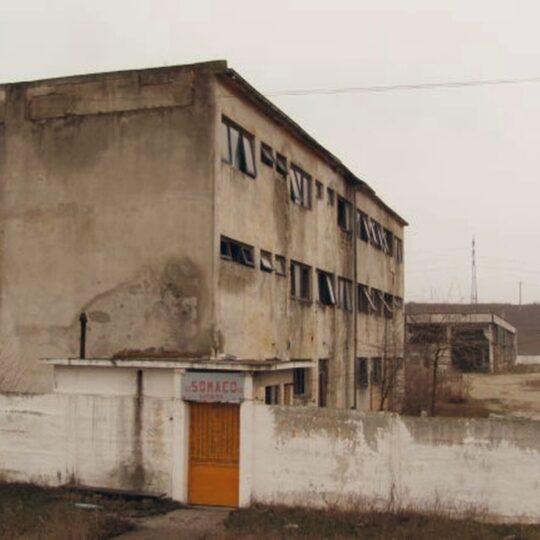
A global FMCG multinational conglomerate sought to expand its operations by constructing its first major manufacturing facility in Eastern Europe. The initiative required not only the establishment of a state-of-the-art manufacturing plant but also the adaptation of the group’s processes to the local context and the selection and implementation of robust software systems.
The project’s scope covered comprehensive areas, including operations, human resources, sales, marketing, inventory, supply chain management, legal frameworks, and IT infrastructure.
The conglomerate, with an extensive portfolio of products and a significant presence and manufacturing facilities across multiple continents, aimed to capitalize on the strategic geographical positioning and favourable economic environment of Eastern Europe.
The venture posed unique challenges, necessitating a tailored approach to operational procedures, local regulations, and cultural norms.
Table of Contents
█ Main Objectives
Sector: food industry, FMCG (dairy product manufacturing). Capability building under time-critical (max. 1-year mandate) and limited budget. Part of a new Program team of 6. Contribute to the brand implementation in a new market (23M market size).
Recovery of 20 months of a previously failed program within 250 days.
The mandate scope was extended to optimize operational processes before the final transfer.
In practice:
- Adapt Global Processes: Harmonize existing corporate processes with local business & manufacturing practices and regulatory requirements.
- Information System Integration: Deploy an enterprise resource planning (ERP) system that aligns with the facility’s operational needs.
- Maintenance Function Development: Establish a robust maintenance function using data-driven methodologies.
- Cross-Functional Process Mapping: Detail procedures across all facets of the plant’s operations.
- Crisis Management Framework: Formulate strategies to address potential PR crises related to food and manufacturing safety.
Process Adaptation to Local Market
Local market conditions present unique operational challenges and opportunities. We undertook an extensive analysis of regional regulatory requirements, labour laws, environmental standards, and cultural nuances. This ensured that the group’s intrinsic procedures were modified without compromising on efficiency or compliance.
Major Key Steps:
- Comparative analysis of the group’s global standards versus local statutory frameworks.
- Workshops with local experts to tailor existing processes to regional specifics.
- Design of an operational blueprint that respects local practices while upholding Western global excellence standards.
Comprehensive Process Design
The integration of all areas within the facility was planned meticulously. Processes were not only designed for operational efficiency but also to foster a culture of continuous improvement.
Key Process Areas:
- Operations: Streamlined workflows with clear KPIs for performance measurement.
- HR: Recruitment and training systems aimed at skill enhancement and employee engagement.
- Sales and Marketing: Multi-channel strategies leveraging digital and traditional marketing platforms.
- Inventory and Supply Chain: JIT practices coupled with risk mitigation strategies.
- Legal: Compliance mechanisms addressing local and international laws.
- IT: Secure and robust IT infrastructure to support the facility’s digital backbone.
█ Key Outcomes
The result was the successful launch of the facility with full operational capabilities. The group saw a positive reception in the Eastern European market, supported by a strong commitment to sustainability and local community engagement.
Key Achievements:
- Seamless adaptation of the group’s Western standard processes to local conditions without sacrificing global standards.
- Effective use of technology and centralized systems to create an integrated, intelligent manufacturing ecosystem.
- Establishment of a maintenance function that ensures high operational availability.
- Comprehensive and cross-functional process alignment within the facility.
- Elected “Best Plant” for production/operation efficiency, process quality, and sales growth.
- The new plant was fully operational within 250 days (4 months before the 12-month recovery contract) and within the remaining $67 million budget (roughly equivalent to about $133 million in 2023, adjusted to the Consumer Price Index, CPI).
- Market leader in SE European Region after only 18 months; growth from zero to 31% market share.
Operational Efficiency and Market Penetration
- Very Rapid Market Entry: The facility was operational within 250 days only, compared to the initial projected timeline of 2-3 years and the PE recovery mandate’s one year. The headcount increased from 6 to 224 instead of the planned 800.
- Product Localization: Adaptation to local tastes and preferences led to a new product line that resonated with the target market.
- Data-Driven Maintenance: The newly established maintenance function, informed by robust data analysis, decreased downtime by an average of 20%.
- Holistic Process Integration: Cross-departmental processes from operations to IT worked in synergy, improving overall productivity by 15%.
- Human Capital Development: HR processes attracted and retained top talent, resulting in a 95% employee retention rate during the first year.
- Cost Efficiency: The thorough selection of software and process optimization cut operational costs by 10% in the first year.
- Revenue Growth: Entry into the Eastern European market contributed to an increase in the group’s global revenues.
- Environmental Standards: The facility exceeded local environmental regulations, reducing waste by 30%.
- Safety Excellence: No major safety incidents were reported in the first year of operation.
- Supply Chain Robustness: Implementation of advanced supply chain management systems resulted in 99.8% on-time delivery rates.
- Elected “Best Plant” for production/operation efficiency, process quality, and sales growth.
█ Risks and Risk Mitigation in FMCG Manufacturing
- Project-Specific Risks: Unique challenges related to the specific Eastern location back in 1998, such as political instability or economic volatility.
- Mitigation: Political risk insurance, close monitoring of the political landscape, and engaging with local government and industry bodies. Establishment of a cross-functional task force to oversee the adaptation and transfer of technology and processes.
- Market Entry Risks: Misalignment with local market demands and preferred products can lead to product rejection and financial losses.
- Mitigation: Adapting market research to local conditions and creating a flexible product development strategy that allows for quick adaptation to consumer preferences.
- Regulatory Compliance Risks: Non-compliance with local regulations resulting in fines, shutdowns, or reputational damage.
- Mitigation: Establishing a dedicated regulatory affairs team to continuously monitor and ensure compliance with all local laws and international standards.
- Construction and Commissioning Risks: Delays or cost overruns in construction and commissioning impacting project timelines and budgets.
- Mitigation: Employing experienced project managers, reducing unnecessary mid-level managers, streamlining communication channels, selecting better and more reliable contractors, and implementing rigorous project management methodologies.
- Supply Chain Disruption Risks: Disruptions of the supply chain due to logistics issues, suppliers’ disloyalty, political events, or supplier failures could halt FMCG production.
- Mitigation: Developing a resilient supply chain with diversified suppliers, local sourcing where possible, and maintaining strategic stock levels. Diversification of supply chain sources with smaller providers.
- Financial Risks: Currency fluctuations, inflation, and unforeseen expenses affect investments and profit repatriation to the group.
- Mitigation: Implementing hedging strategies, thorough financial planning, and maintaining a robust contingency fund.
- Environmental and Safety Risks: Environmental incidents or safety setbacks leading to operational shutdowns and brand damage.
- Mitigation: Adopting strict EHS (Environmental, Health, and Safety) standards, regular audits, employee training, and incident response planning.
- Reputational Risks: Negative publicity due to operational, environmental, or social issues could affect brand perception.
- Mitigation: Establishing a proactive PR strategy, engaging with the community, and transparent reporting.
- Category
- Consumer Goods, Market Expansion Strategy, Operational Efficiency, Strategic Transformation
- Focus
- Turnaround, Process Improvement, Operational Excellence, Business Development, Brownfield Facility Reconstruction, Crisis Management
- Operational Coverage
- Program & Project Management, Cross-functional Process Mapping and Local Adaptation, Plant Reconstruction
- Industry
- Food & Beverages, FMCG Manufacturing